
Early Warning Signs of Heart Failure You Shouldn’t Ignore
Heart failure announces itself quietly, in pillows, bathroom scales, and abandoned stairs. The early warning signs
Minimally invasive, catheter-based treatment for coronary, peripheral vascular, and structural heart disease — at both our Pearland and Downtown Houston offices.
Interventional cardiology treats narrowed or blocked arteries from the inside, using catheters passed through a small puncture in the wrist or groin rather than open surgery. Most patients go home the same day or the following morning.
Our interventional program is led by Afaq Motiwala, MD, FACC, RPVI — board certified in interventional cardiology, cardiovascular disease, endovascular medicine, and internal medicine. He sees patients at both offices and personally follows every patient he treats.
Evaluation and treatment stay with one team. On-site diagnostics mean answers come faster, and if testing shows a blockage that needs treating, your care moves to the catheterization lab and back again for long-term follow-up without ever leaving the practice.
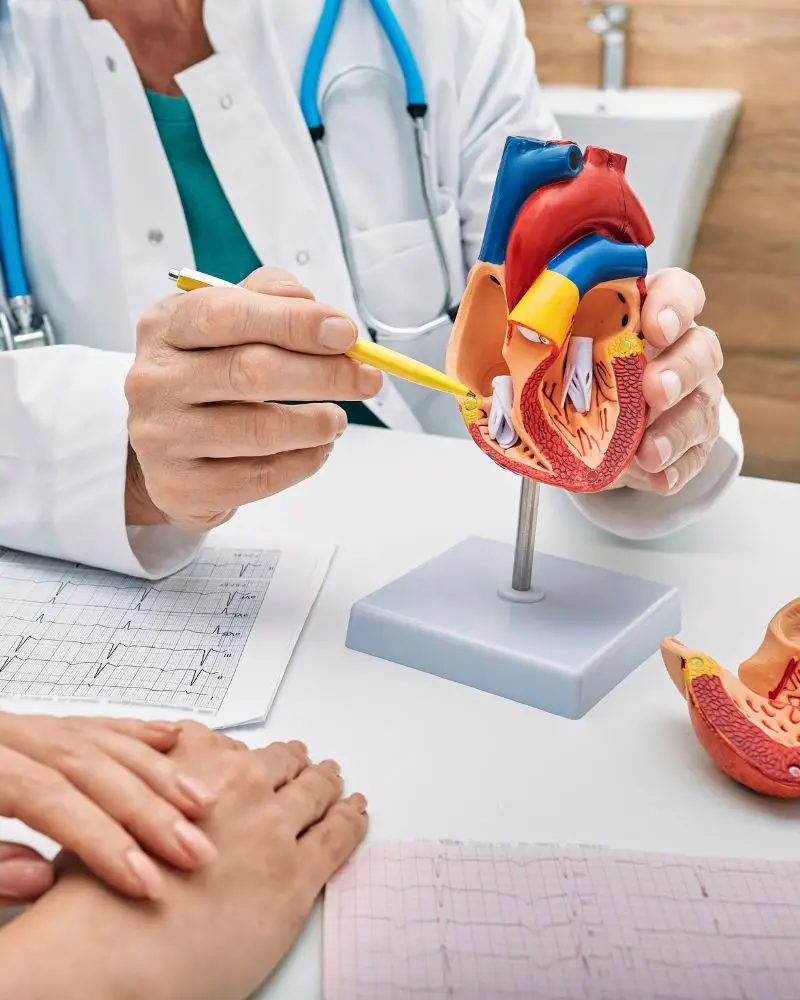



When catheter-based treatment is being considered, knowing who will perform it matters. Our interventional cardiologist assesses each patient individually and personally follows every patient he treats, rather than handing care to a different team afterwards.

General & Preventive Cardiology

Preventive & Non-Invasive Cardiology

Interventional & Vascular Cardiology
Treatment plans tailored to your symptoms, history, and individual needs.
Preventive, diagnostic, interventional, and vascular care in one practice.
Modern diagnostics for heart rhythm, function, structure, and blood flow.
Serving Pearland with additional locations expanding across Greater Houston.
Experienced physicians with advanced cardiovascular training and expertise.
We work with many leading insurance plans for convenient access to care.
Alliance Heart & Vascular is expanding to serve patients across Pearland, Greater Houston and surrounding communities.
Comprehensive cardiology, preventive cardiovascular care, diagnostic evaluation, and follow-up.
View Pearland LocationAlliance Heart & Vascular is expanding across Greater Houston and nearby communities, bringing convenient access to trusted cardiovascular care closer to where our patients live and work.
Alliance Heart & Vascular works with many major health insurance plans. Insurance participation can vary by plan, network, employer, and location.
Please call (346) 614-0002 before your appointment to verify your specific insurance benefits and network participation. Our team can help answer questions about scheduling, referrals, and insurance verification.
Intervention is considered when symptoms persist despite medication, or when testing shows a narrowing significant enough to limit blood flow. Referral is appropriate for:
Not every narrowing needs a stent. The decision rests on whether the blockage is genuinely causing your symptoms, and whether medication has already been given a fair trial.
Interventional cardiology treats several closely related cardiovascular conditions. Learn more about:
If chest discomfort is severe, lasts more than a few minutes, occurs at rest, or comes with sweating, nausea, or breathlessness, call 911 immediately.
Do not wait for an office appointment.
Online appointment requests should never be used for potentially life-threatening symptoms.
Interventional cardiology here covers both the coronary arteries feeding the heart muscle and the peripheral arteries supplying the legs and other vessels.
Radial access — entering through the wrist rather than the groin — is used wherever the anatomy allows, and usually means less bruising and a faster return to normal activity.
Catheter-based treatment is planned around your anatomy and your symptoms. The aim is to restore blood flow using the least invasive approach that will actually work.
A catheter study that maps the coronary arteries directly and shows exactly where and how severely they are narrowed.
A small balloon is inflated inside the narrowed segment to open it, restoring blood flow through the vessel.
A stent is placed to hold the artery open after angioplasty, substantially reducing the chance that the narrowing returns.
PCI combines these techniques to reopen the arteries feeding the heart muscle, both electively and urgently after a heart attack.
The same minimally invasive approach applied to narrowed arteries in the legs, treating peripheral artery disease and claudication.
Entering through the wrist rather than the groin wherever anatomy allows, which usually means less bruising and a quicker recovery.
Most catheter procedures are completed within an hour, under local anesthetic with sedation rather than a general anesthetic. Typically you can expect:
Do not stop antiplatelet or anticoagulant medication before a procedure on your own. Bring your full medication list to the appointment and we will give you written instructions.
Interventional treatment is one part of managing arterial disease. The conditions below are the ones most often referred for catheter-based assessment.
Plaque narrowing the arteries that supply the heart muscle, limiting blood flow during exertion. Read more about coronary artery disease.
Predictable discomfort on exertion that has not settled with medication is one of the most common reasons for angiography. Read more about chest pain.
When an artery blocks suddenly, urgent PCI restores blood flow and limits the amount of heart muscle that is lost.
Narrowed leg arteries causing pain on walking, and in advanced cases poor healing, treated with the same catheter techniques.
Restoring blood supply to viable heart muscle can improve pumping function in selected patients. Read more about heart failure.
Not every patient needs every cardiac test. Testing should be selected based on your symptoms, examination, medical history, and cardiovascular risk. Depending on your individual situation, your cardiologist may recommend one or more of the following.
Measures the heart's electrical activity and may identify rhythm problems or other cardiac changes.
Uses ultrasound to evaluate heart function, chambers, valves, muscle, and structure.
Shows how the heart responds to physical activity and may help evaluate exercise-related symptoms.
Uses cardiac imaging during stress testing to assess blood flow to the heart muscle.
Records heart rhythm over time to help detect intermittent arrhythmias or palpitations.
Blood tests may evaluate cholesterol, blood sugar, kidney function, and other cardiovascular risk factors.
Certain patients may require additional cardiac imaging or coronary evaluation depending on their symptoms and risk profile. Your cardiologist will explain why a particular test is being recommended and how the results may influence your treatment plan.
Intervention treats the blockage. It does not treat the disease that produced it, so medical therapy continues afterwards and matters just as much. Your plan may include:
Our objective is not simply to open a narrowed artery. It is to keep it open, stop the underlying disease progressing, and return you to activity without symptoms.
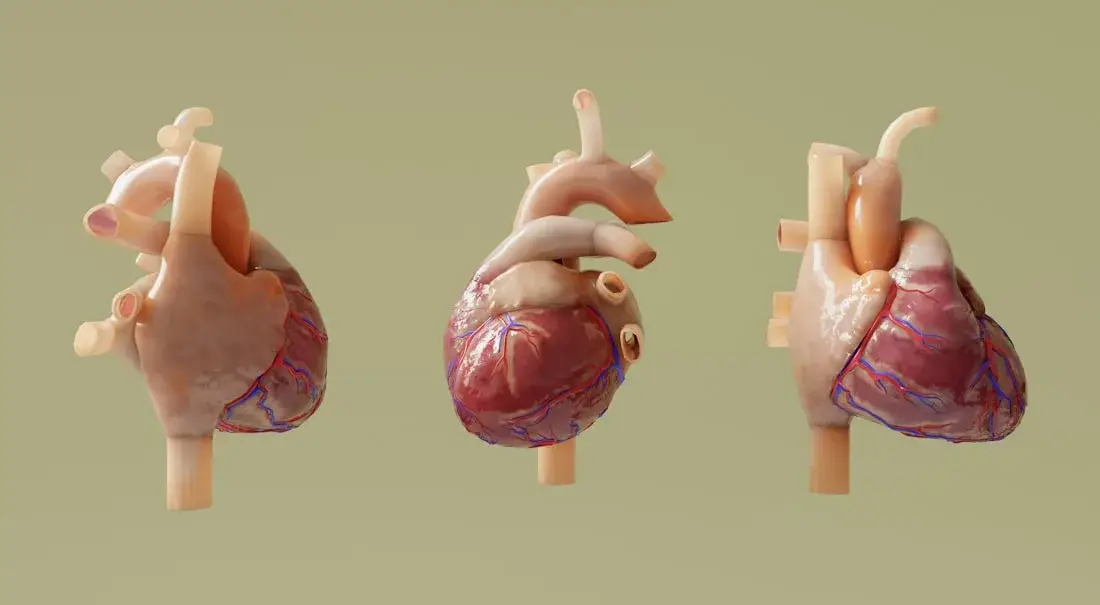
Many patients reach interventional cardiology through a referral rather than a symptom — an abnormal stress test, a finding on imaging, or discharge after a cardiac admission. We aim to see these patients promptly, because the window in which treatment changes the outcome can be narrow.
Referral is appropriate if you have:
Talk to our office — Monday to Friday, 8:00 a.m. to 4:30 p.m.
Call (346) 614-0002A blockage is worth treating when it is the reason you are limited.
Whether you have an abnormal stress test, chest discomfort that has not settled on medication, leg pain that limits how far you can walk, or you are recovering from a heart attack or stent, our interventional team can assess whether catheter-based treatment would help.
New patients are welcome.
Serving patients throughout Pearland, Greater Houston, and surrounding areas.