
Early Warning Signs of Heart Failure You Shouldn’t Ignore
Heart failure announces itself quietly, in pillows, bathroom scales, and abandoned stairs. The early warning signs
Expert evaluation for heart rhythms that are too fast, too slow, or irregular. Accurate identification of the specific arrhythmia, then treatment matched to it.
An arrhythmia is any heartbeat that is too fast, too slow, or irregular. The term covers a wide range of conditions, from harmless extra beats that almost everyone experiences at some point to rhythms that need urgent treatment.
Because arrhythmia describes a category rather than a single diagnosis, the most important step is identifying exactly which rhythm you have. Two people with identical symptoms can have entirely different arrhythmias requiring entirely different treatment.
If you have been told you have an irregular heartbeat, or you are experiencing a racing or unusually slow pulse, skipped beats, dizziness, or fainting, a cardiology evaluation can identify the specific rhythm and what it means for you.
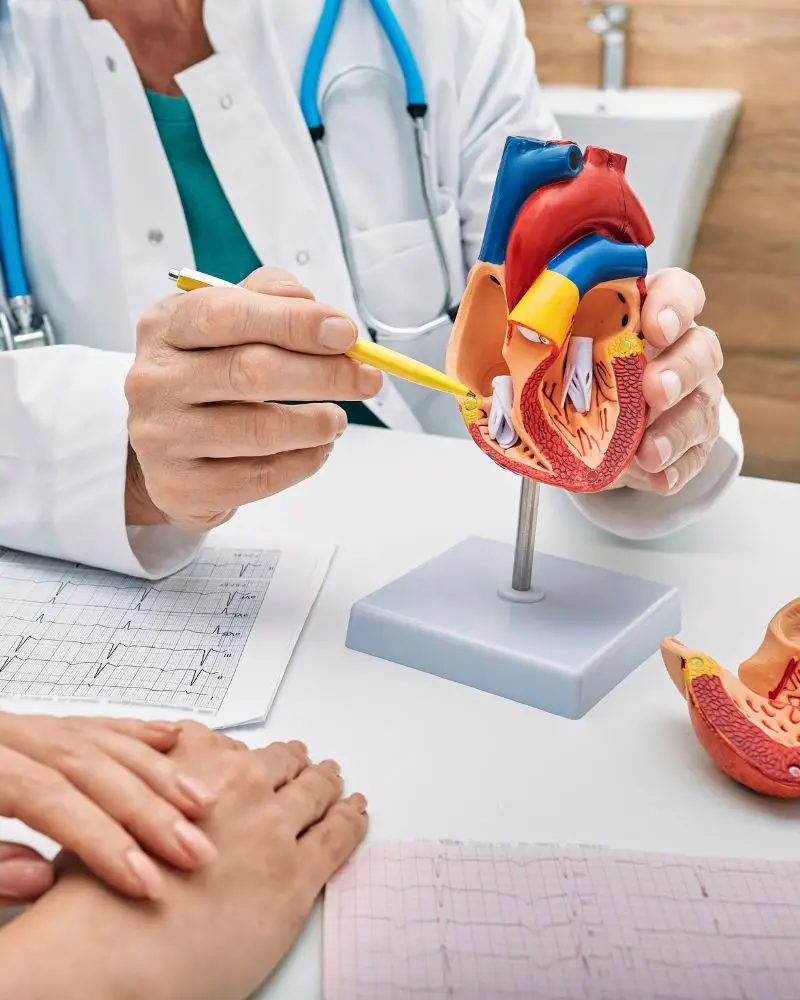



When you have been told your heart rhythm is abnormal, knowing who will evaluate it matters. Our cardiologists assess each patient individually rather than relying on a single test result, and take the time to explain which rhythm you have and what it does and does not mean.

General & Preventive Cardiology

Preventive & Non-Invasive Cardiology

Interventional & Vascular Cardiology
Treatment plans tailored to your symptoms, history, and individual needs.
Preventive, diagnostic, interventional, and vascular care in one practice.
Modern diagnostics for heart rhythm, function, structure, and blood flow.
Serving Pearland with additional locations expanding across Greater Houston.
Experienced physicians with advanced cardiovascular training and expertise.
We work with many leading insurance plans for convenient access to care.
Alliance Heart & Vascular is expanding to serve patients across Pearland, Greater Houston and surrounding communities.
Comprehensive cardiology, preventive cardiovascular care, diagnostic evaluation, and follow-up.
View Pearland LocationAlliance Heart & Vascular is expanding across Greater Houston and nearby communities, bringing convenient access to trusted cardiovascular care closer to where our patients live and work.
Alliance Heart & Vascular works with many major health insurance plans. Insurance participation can vary by plan, network, employer, and location.
Please call (346) 614-0002 before your appointment to verify your specific insurance benefits and network participation. Our team can help answer questions about scheduling, referrals, and insurance verification.
Not every irregular heartbeat is dangerous, and many need no treatment at all. The difficulty is that harmless and serious rhythms can feel identical from the outside. A cardiology evaluation exists to tell them apart.
The goal of evaluation is not simply to confirm that your rhythm is irregular. It is to name the specific arrhythmia, because that is what determines whether treatment is needed at all.
Arrhythmias overlap with several other cardiovascular conditions. Learn more about:
If an abnormal heart rhythm occurs with fainting, chest pain, or severe breathlessness, call 911 immediately.
Do not wait for an office appointment.
Online appointment requests should never be used for potentially life-threatening symptoms.
Arrhythmias produce a wide range of sensations, and some produce none at all. What you feel depends on which chamber the rhythm starts in and how fast or slow the heart becomes:
Fainting during an episode is the symptom that most changes urgency. An arrhythmia that causes loss of consciousness needs prompt evaluation regardless of how brief the episode was.
Arrhythmias are grouped by where in the heart they begin and whether they speed the heart up or slow it down. Establishing which group you fall into is the essential first step, because treatment differs completely between them.
The most common sustained arrhythmia — a fast, irregular rhythm from the upper chambers that carries a significant stroke risk and needs formal assessment. Read our full guide to atrial fibrillation.
A rapid but organized rhythm from the upper chambers. It often occurs alongside AFib, carries a similar stroke risk, and frequently responds well to ablation.
SVT causes sudden episodes of a very fast, regular heartbeat that begin and end abruptly. Episodes are rarely dangerous but can be disabling, and ablation is often curative.
Extra beats arising from the upper or lower chambers are extremely common and usually harmless. Frequent ectopy can occasionally affect heart function and is worth quantifying.
Rhythms starting in the lower chambers range from benign extra beats to ventricular tachycardia, which requires urgent evaluation, particularly after a previous heart attack.
A heart that beats too slowly, or where electrical signals are delayed or blocked, can cause fatigue, dizziness, and fainting. Some patients require a pacemaker.
Arrhythmias often develop when something changes the electrical environment of the heart. Common contributors include:
Patients should not assume that an irregular heartbeat is harmless simply because it is brief or painless. Some of the most important arrhythmias produce very few symptoms, and some entirely harmless ones feel dramatic.
The way a rhythm behaves — how it starts, how long it lasts, and what it does to your blood pressure — helps narrow down which arrhythmia is responsible and which test will capture it.
Tachycardias raise the heart rate above normal at rest. They may be regular, as in SVT, or irregular, as in atrial fibrillation, and that distinction guides treatment.
Bradycardias can cause fatigue, dizziness, and fainting, particularly on exertion. A slow rate is normal in trained athletes but can also indicate conduction system disease.
Ectopic beats are usually felt as a pause followed by a stronger beat. They are common and generally benign, but a high burden is worth quantifying with a monitor.
Rhythms that switch on and off abruptly, often described as a light switch, point strongly toward SVT and are frequently curable with ablation.
Loss of consciousness during a rhythm disturbance is the highest-priority presentation and needs prompt evaluation, regardless of how quickly you recovered.
Not every patient needs every cardiac test. Testing should be selected based on your symptoms, examination, medical history, and cardiovascular risk. Depending on your individual situation, your cardiologist may recommend one or more of the following.
Measures the heart's electrical activity and may identify rhythm problems or other cardiac changes.
Uses ultrasound to evaluate heart function, chambers, valves, muscle, and structure.
Shows how the heart responds to physical activity and may help evaluate exercise-related symptoms.
Uses cardiac imaging during stress testing to assess blood flow to the heart muscle.
Records heart rhythm over time to help detect intermittent arrhythmias or palpitations.
Blood tests may evaluate cholesterol, blood sugar, kidney function, and other cardiovascular risk factors.
Certain patients may require additional cardiac imaging or coronary evaluation depending on their symptoms and risk profile. Your cardiologist will explain why a particular test is being recommended and how the results may influence your treatment plan.
Treatment depends entirely on which arrhythmia you have. Many require nothing beyond reassurance and follow-up, while others need medication or a procedure. Options may include:
Our objective is to name the rhythm precisely, treat it only when treatment is genuinely warranted, and make sure a rhythm that does need attention is never mistaken for a harmless one.
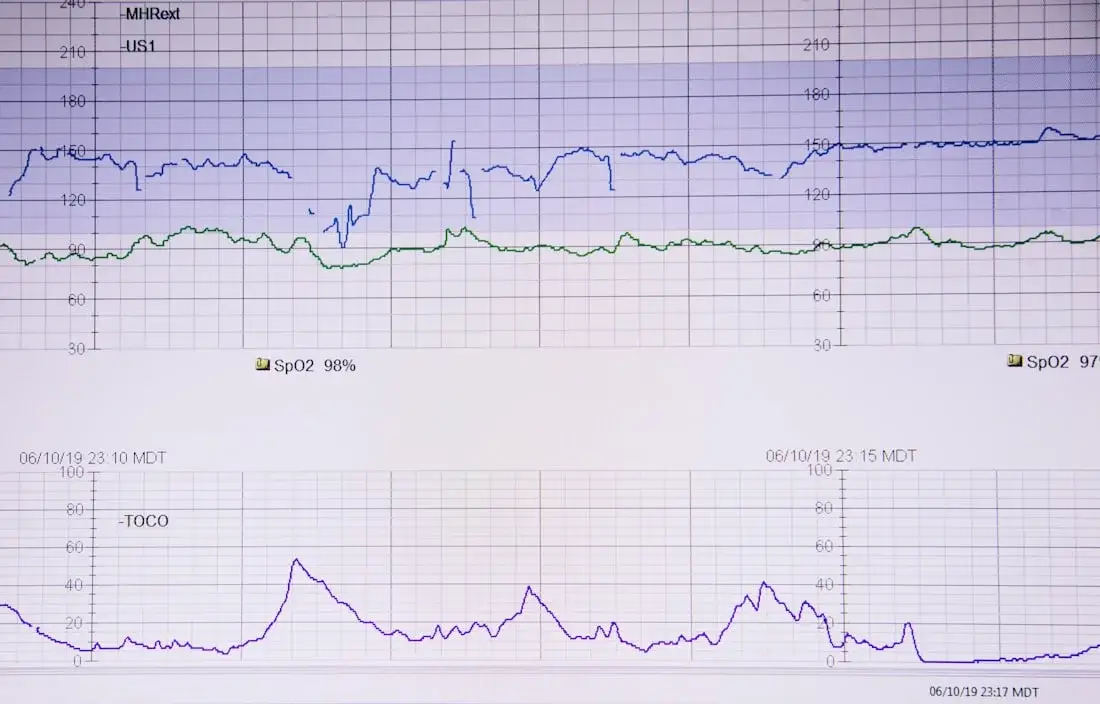
Emergency departments are designed to identify and treat immediately dangerous rhythms. If your arrhythmia had already stopped by the time you were seen, the specific rhythm may never have been recorded — and identifying it usually requires outpatient monitoring.
You may benefit from additional evaluation if you continue experiencing:
Talk to our office — Monday to Friday, 8:00 a.m. to 4:30 p.m.
Call (346) 614-0002An irregular heartbeat deserves a name, not a guess.
Whether you have been told you have an irregular pulse, are experiencing a racing or unusually slow heartbeat, have had an arrhythmia alert from a wearable device, or continue having episodes after an emergency room visit, our cardiologists can identify the specific rhythm and advise whether treatment is needed.
New patients are welcome.
Serving patients throughout Pearland, Greater Houston, and surrounding areas.