
Early Warning Signs of Heart Failure You Shouldn’t Ignore
Heart failure announces itself quietly, in pillows, bathroom scales, and abandoned stairs. The early warning signs
On-site cardiac testing — ECG, echocardiography, stress testing, and heart monitoring — with results reviewed by your own cardiologist.
Cardiac testing exists to answer a specific question about your heart — how it is beating, how well it pumps, whether the valves are working, and whether the blood supply is adequate.
Not every patient needs every test. Testing is selected from your symptoms, examination, medical history, and cardiovascular risk, and each test is chosen because it answers something the others cannot.
All of our testing is performed on site and interpreted by the cardiologist looking after you, so results come back quickly and are discussed alongside your symptoms rather than handed over as an isolated report.
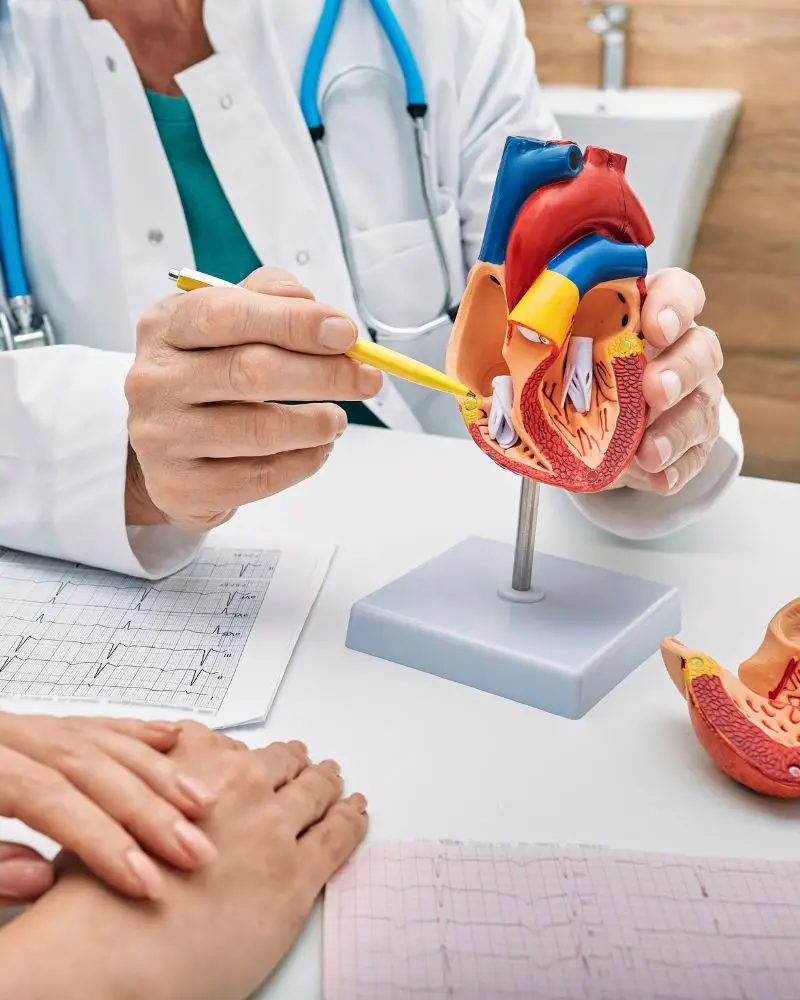



When you are having cardiac testing, it matters that the person reading it knows your history. Our cardiologists interpret your results themselves and explain what they mean, rather than passing back a report to decipher.

General & Preventive Cardiology

Preventive & Non-Invasive Cardiology

Interventional & Vascular Cardiology
Treatment plans tailored to your symptoms, history, and individual needs.
Preventive, diagnostic, interventional, and vascular care in one practice.
Modern diagnostics for heart rhythm, function, structure, and blood flow.
Serving Pearland with additional locations expanding across Greater Houston.
Experienced physicians with advanced cardiovascular training and expertise.
We work with many leading insurance plans for convenient access to care.
Alliance Heart & Vascular is expanding to serve patients across Pearland, Greater Houston and surrounding communities.
Comprehensive cardiology, preventive cardiovascular care, diagnostic evaluation, and follow-up.
View Pearland LocationAlliance Heart & Vascular is expanding across Greater Houston and nearby communities, bringing convenient access to trusted cardiovascular care closer to where our patients live and work.
Alliance Heart & Vascular works with many major health insurance plans. Insurance participation can vary by plan, network, employer, and location.
Please call (346) 614-0002 before your appointment to verify your specific insurance benefits and network participation. Our team can help answer questions about scheduling, referrals, and insurance verification.
Testing is usually arranged to explain a symptom, to clarify a risk, or to check on a known condition. Common reasons include:
The most useful test is the one that captures your symptom while it is happening. That is why intermittent problems usually need monitoring rather than a single snapshot.
Cardiac testing is used to investigate a range of cardiovascular conditions. Learn more about:
Testing is for evaluation, not emergencies. If you have severe chest pain, sudden breathlessness, or fainting, call 911 immediately.
Do not wait for an office appointment.
Online appointment requests should never be used for potentially life-threatening symptoms.
Cardiac tests fall into two broad groups, and most diagnostic questions need at least one from each:
An ECG records only a few seconds of your heartbeat. If your symptoms come and go, a normal ECG does not rule anything out, and longer monitoring is the appropriate next step.
Having testing within the same practice that manages your care removes a step that usually costs weeks. The cardiologist who orders the test reads it, explains it, and acts on it.
Records the electrical activity of the heart and can identify rhythm problems, previous damage, and signs of strain. Quick, painless, and often the first test performed.
Ultrasound imaging showing how well the heart pumps and how the chambers, valves, and muscle are working. The key test for heart failure and valve disease.
Shows how the heart responds to physical exertion, which is when coronary narrowing usually reveals itself. Used to evaluate activity-related symptoms.
Adds cardiac imaging to stress testing to assess blood flow to the heart muscle directly, giving more detail than exercise testing alone.
Records your rhythm continuously over hours to weeks, to capture intermittent palpitations or dizziness as they actually happen.
Assesses blood flow in the arteries and veins of the neck, legs, and abdomen, identifying narrowing outside the heart.
Most cardiac tests are straightforward, non-invasive, and completed within the same visit. Our team will tell you in advance if anything is required beforehand:
Do not stop any cardiac medication before a test unless you have been specifically instructed to. If you are unsure, call our office rather than guessing.
Testing is a means to a diagnosis rather than an end in itself. These are the conditions our diagnostic work is most often aimed at identifying.
Stress testing and nuclear imaging assess whether narrowed arteries are limiting blood flow to the heart muscle. Read more about coronary artery disease.
An echocardiogram measures ejection fraction and filling, which is what distinguishes the two main types of heart failure. Read more about heart failure.
Rhythm monitoring captures intermittent atrial fibrillation that a single ECG will usually miss entirely. Read more about atrial fibrillation.
Extended monitoring correlates your symptoms with the rhythm at that moment, which is how a specific arrhythmia is named. Read more about arrhythmias.
The most common reason for rhythm monitoring, since palpitations frequently stop before any recording can be made. Read more about heart palpitations.
Not every patient needs every cardiac test. Testing should be selected based on your symptoms, examination, medical history, and cardiovascular risk. Depending on your individual situation, your cardiologist may recommend one or more of the following.
Measures the heart's electrical activity and may identify rhythm problems or other cardiac changes.
Uses ultrasound to evaluate heart function, chambers, valves, muscle, and structure.
Shows how the heart responds to physical activity and may help evaluate exercise-related symptoms.
Uses cardiac imaging during stress testing to assess blood flow to the heart muscle.
Records heart rhythm over time to help detect intermittent arrhythmias or palpitations.
Blood tests may evaluate cholesterol, blood sugar, kidney function, and other cardiovascular risk factors.
Certain patients may require additional cardiac imaging or coronary evaluation depending on their symptoms and risk profile. Your cardiologist will explain why a particular test is being recommended and how the results may influence your treatment plan.
A test result is only useful if it changes something. Once testing is complete, the findings are explained to you and translated into a plan. That may involve:
A normal result is a genuine outcome, not a wasted appointment. Excluding a cardiac cause with confidence is often exactly what a patient needs.
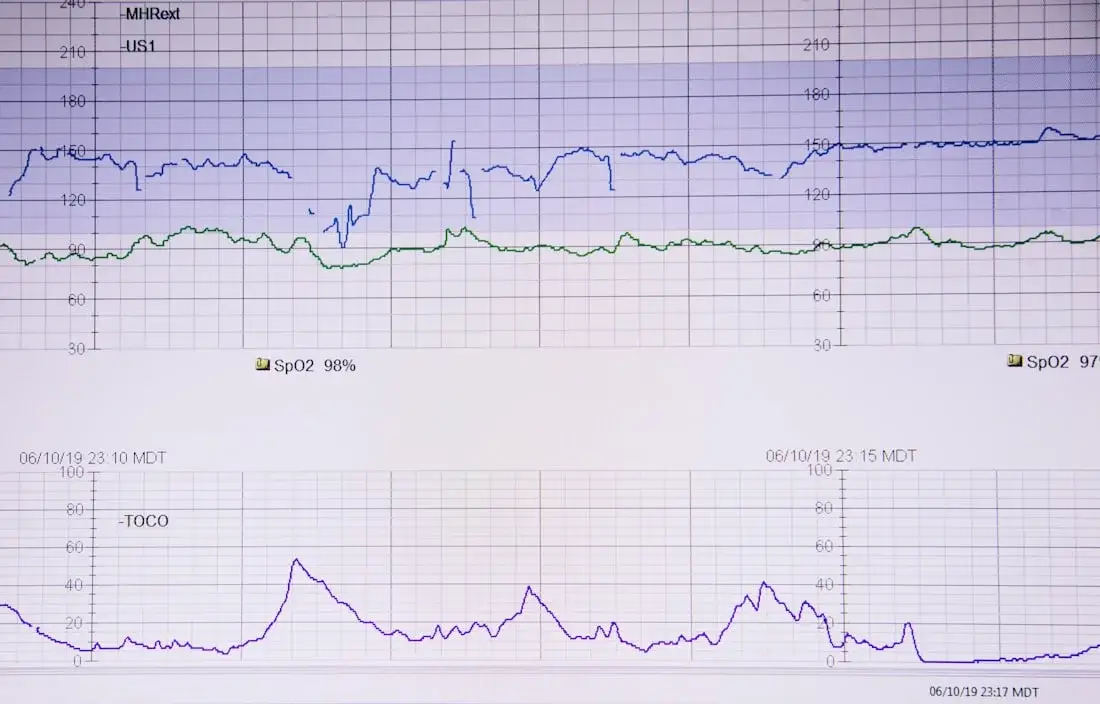
Emergency departments are designed to exclude immediate danger, and they do that well. What frequently goes unfinished is identifying the cause — particularly for symptoms that had already stopped by the time you were seen.
Outpatient testing is appropriate if you have:
Talk to our office — Monday to Friday, 8:00 a.m. to 4:30 p.m.
Call (346) 614-0002The right test answers the question you actually have.
Whether you have been referred for testing, have symptoms that have not been explained, or need follow-up on a known condition, our team can arrange the appropriate test on site and review the results with you directly.
New patients are welcome.
Serving patients throughout Pearland, Greater Houston, and surrounding areas.