
Does High Blood Pressure Cause Headaches? (And Other Silent Symptoms)
Most high blood pressure causes no headaches or other symptoms. Learn when a headache with a
Board-certified cardiologists in Pearland evaluate new heart symptoms, diagnose heart conditions, and manage them over the long term.
Medically reviewed by the Alliance Heart & Vascular Medical Review Team · Last reviewed November 1, 2026
General cardiology is the starting point for most heart care. It covers the evaluation of new symptoms, the diagnosis of heart conditions, and the long-term management of everything from blood pressure to heart failure.
A consultation combines a careful history, a physical examination, and testing selected for your symptoms rather than ordered by default. The aim is an accurate diagnosis followed by a plan you actually understand.
Whether you have been referred with an abnormal test, are managing a known condition, or simply want your cardiovascular risk assessed properly, the evaluation starts here.




Call 911 or go to the nearest emergency room right away if you have:
• Chest pain or pressure that lasts more than a few minutes
• Pain spreading to the arm, jaw, neck, or back
• Sudden or severe shortness of breath
• Fainting or nearly fainting
• Stroke signs: face drooping, arm weakness, or trouble speaking
• A very fast or irregular heartbeat with dizziness or chest pain
Do not drive yourself, and do not wait for an office appointment.
Online appointment requests should never be used for potentially life-threatening symptoms.
A first appointment is mostly conversation and examination. Testing follows only where it will answer a specific question about your symptoms.
Bringing previous test results, a current medication list, and any home blood pressure readings makes the first appointment considerably more productive.
General cardiology spans diagnosis, treatment, and long-term follow-up. Most patients need more than one of these, often over many years.
Establishing whether chest discomfort, breathlessness, palpitations, or dizziness are cardiac in origin, and if so which condition is responsible.
Ongoing treatment of coronary artery disease, heart failure, arrhythmia, valve disease, and hypertension, adjusted as your condition changes.
Formal assessment of your risk of heart attack and stroke, and treatment of the blood pressure, cholesterol, and diabetes driving it.
Echocardiography, stress testing, rhythm monitoring, and vascular ultrasound performed and interpreted within the practice.
Structured review after a heart attack, stent, bypass, or cardioversion, including medication and return to activity.
Cardiac risk evaluation before planned surgery, with clear written documentation for your surgical team.
A little preparation makes the first consultation much more useful. Where possible, please bring:
Do not stop any cardiac medication before your appointment. If something is causing side effects, bring it up at the consultation and it can be changed safely.
General cardiology covers the full range of heart disease, and many patients have more than one condition contributing to their symptoms.
Plaque narrowing the arteries that supply the heart muscle, causing chest discomfort or breathlessness on exertion. Read more about coronary artery disease.
When the heart cannot pump or fill efficiently, causing breathlessness, swelling, and fatigue. Read more about heart failure.
Rhythm disturbances ranging from harmless extra beats to atrial fibrillation, which carries stroke risk. Read more about atrial fibrillation.
The most common cardiovascular condition and one of the most treatable, requiring accurate measurement and a target matched to your risk. Read more about high blood pressure.
Raised LDL drives plaque formation silently over decades. Treatment is guided by your overall risk. Read more about high cholesterol.
Most patients are referred because a symptom has not settled, or because a test result needs explaining. A cardiology evaluation is appropriate for:
You do not need to wait for a dramatic symptom. Gradual changes in what you can manage physically are among the most useful things a cardiologist can assess.
General cardiology covers a wide range of cardiovascular conditions. Learn more about:
Not every patient needs every cardiac test. Testing should be selected based on your symptoms, examination, medical history, and cardiovascular risk. Depending on your individual situation, your cardiologist may recommend one or more of the following.
Measures the heart's electrical activity and may identify rhythm problems or other cardiac changes.
Uses ultrasound to evaluate heart function, chambers, valves, muscle, and structure.
Shows how the heart responds to physical activity and may help evaluate exercise-related symptoms.
Uses cardiac imaging during stress testing to assess blood flow to the heart muscle.
Records heart rhythm over time to help detect intermittent arrhythmias or palpitations.
Blood tests may evaluate cholesterol, blood sugar, kidney function, and other cardiovascular risk factors.
Step 1: Detailed history of your symptoms and risk factors, plus a physical exam. Step 2: A 12-lead EKG in the office. Step 3: Blood work such as cholesterol, blood sugar, and kidney function when needed. Step 4: Targeted tests, such as an echocardiogram, stress test, or heart monitor, chosen to answer a specific question. Step 5: Your cardiologist explains the diagnosis in plain language. Step 6: A treatment plan with follow-up visits to adjust care as things change.
Treatment is built around the diagnosis rather than the symptom, and adjusted as things change. Depending on what we find, your plan may include:
Our objective is not simply to control a number or quiet a symptom. It is to understand what is happening to your heart and to keep you doing the things you want to do.
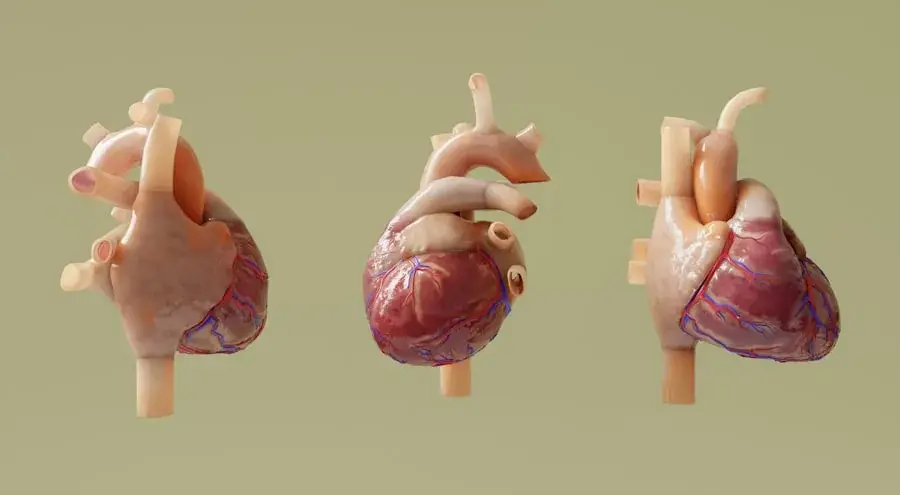
Many patients arrive with a referral rather than a self-identified problem — an abnormal ECG at a routine check, a finding on imaging, or discharge after a cardiac admission. Emergency departments exclude immediate danger; establishing the underlying cause is outpatient work.
A cardiology appointment is worthwhile if you have:
When you need cardiology care, knowing who will be looking after you matters. Our cardiologists assess each patient individually rather than relying on a single test result, and take the time to explain what is happening and why.

General & Preventive Cardiology

Preventive & Non-Invasive Cardiology

Interventional & Vascular Cardiology
Treatment plans tailored to your symptoms, history, and individual needs.
Preventive, diagnostic, interventional, and vascular care in one practice.
Modern diagnostics for heart rhythm, function, structure, and blood flow.
Serving Pearland with additional locations expanding across Greater Houston.
Experienced physicians with advanced cardiovascular training and expertise.
We work with many leading insurance plans for convenient access to care.
Alliance Heart & Vascular is expanding to serve patients across Pearland, Greater Houston and surrounding communities.
Comprehensive cardiology, preventive cardiovascular care, diagnostic evaluation, and follow-up.
View Pearland LocationAlliance Heart & Vascular is expanding across Greater Houston and nearby communities, bringing convenient access to trusted cardiovascular care closer to where our patients live and work.
Alliance Heart & Vascular works with many major health insurance plans. Insurance participation can vary by plan, network, employer, and location.
Please call (346) 614-0002 before your appointment to verify your specific insurance benefits and network participation. Our team can help answer questions about scheduling, referrals, and insurance verification.
Talk to our office — Monday to Friday, 8:00 a.m. to 4:30 p.m.
Call (346) 614-0002Heart symptoms are easier to treat when they are explained early.
Whether you have a new symptom, an abnormal test result, a condition that needs ongoing management, or simply want your cardiovascular risk assessed properly, our cardiologists can help. New patients are welcome at both Houston locations.
New patients are welcome.
Serving patients throughout Pearland, Greater Houston, and surrounding areas.